There are many reasons why plants slow down. Maybe a seasonal line ends for the year, a product is discontinued, or a tenant leaves a warehouse before the next one arrives. When the power is turned off and the doors are locked, most people expect the electrical system to stay just as they left it.
It’s easy to think that if nothing is running, nothing is wearing out. But that’s not quite true. Electrical equipment that sits unused for months still ages, just in a different way. Here’s what really happens, what experts say, and what you should do before turning things back on.
Why Running Equipment Stays Healthier Than You’d Think
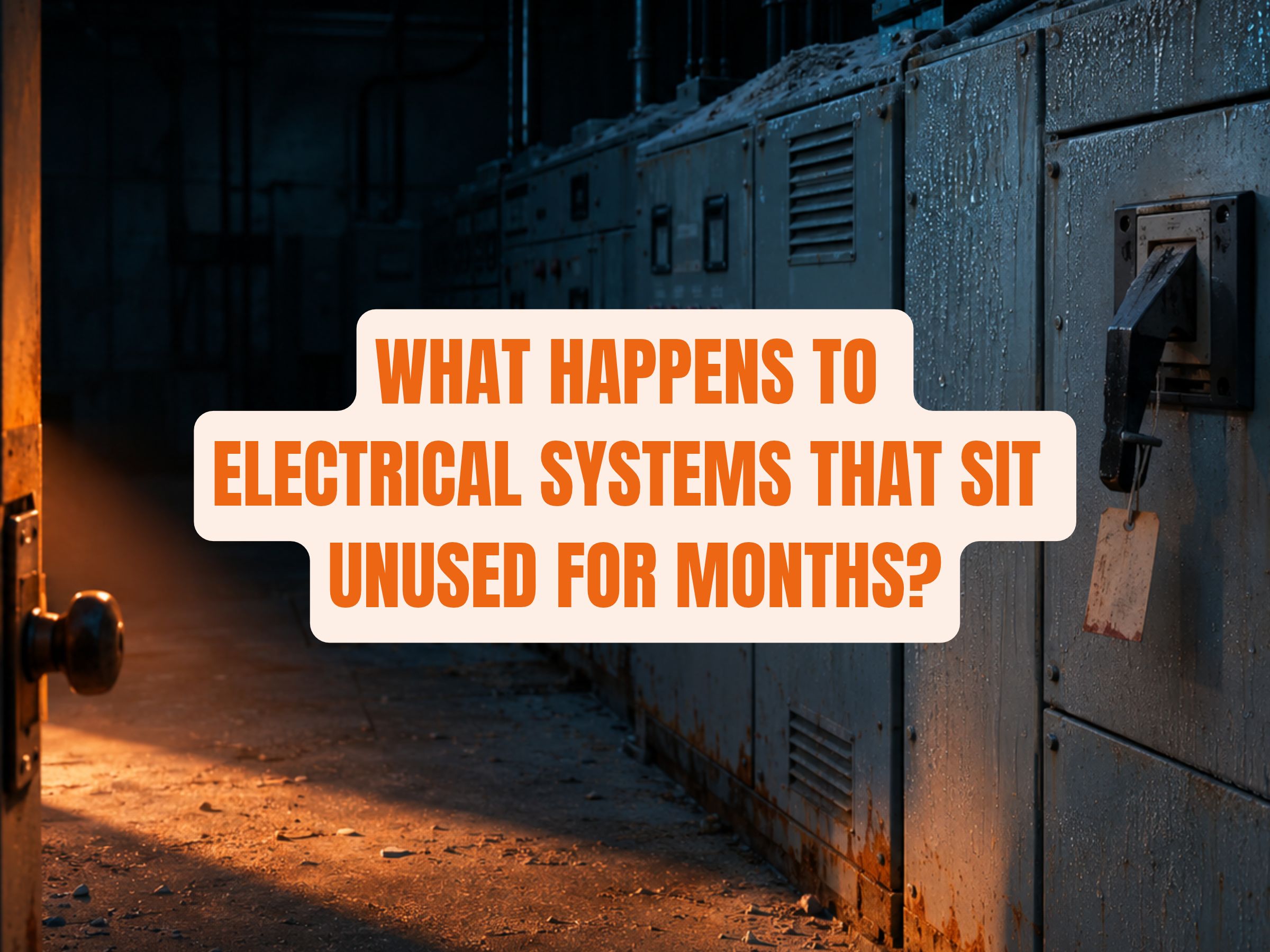
Most people don’t realize this: when electrical equipment is running, it generates heat. That heat keeps it just warm enough to prevent moisture in the air from turning into water. Nidec, a motor manufacturer, said condensation doesn’t form while a motor is running, but once it stops, condensation begins, and the longer it sits unused, the faster it deteriorates.
Switchgear behaves the same way. According to Schneider Electric’s instructions for its MasterClad switchgear, during seasonal use or when the equipment is turned off, its own heat isn’t enough to stop condensation. In these cases, an extra heat source is needed. The U.S. Bureau of Reclamation compares this to a glass of ice water. When a warm motor shuts down, it pulls in cooler air, and as it cools, moisture forms inside the winding insulation. If you run the motor regularly, the insulation stays dry. If you leave it idle in damp conditions, the moisture remains.
What Actually Happens While It Sits
- Moisture is the main issue: HSB, an equipment breakdown insurer, reports that corrosion causes most failures in plant equipment that has been out of service for several months. Damp insulation is also much more likely to fail as soon as voltage is restored.
- Animals can also become a problem: A quiet, warm electrical room attracts rodents. HSB shares an example of a manufacturer who stored a 5,000 kW motor when a plant expansion was delayed. Two years later, the motor failed during commissioning because rodents had damaged its insulation. Repairs cost over £157,000, plus 90 days of lost revenue.
- Moving parts stiffen: Breakers, contactors and motor bearings depend on lubrication. Over a long idle stretch, grease can harden or settle, and a motor shaft sitting in one position can develop flat spots in its bearings that cause vibration on startup. Finley Ledbetter, CEO of electrical testing and service company Group CBS, points out that a breaker is asked to sit still under heavy spring pressure for years, then react instantly the moment it’s needed. Long shutdowns don’t make that any easier.
- Electronics can also be affected: Variable frequency drives and other electronics have capacitors that may degrade if left unpowered for too long. Industrial Automation Co. recommends following each manufacturer’s restart instructions, as some drives require voltage to be restored gradually.
So Is Turning It Off Ever the Right Call?
Yes, sometimes shutting down equipment is the right choice. Turning off equipment you don’t need saves energy and prevents normal wear from use. If equipment is stored properly, kept dry, and checked regularly, it can sit unused for a long time without problems.
HSB makes a helpful distinction. For a short seasonal lay-up of three months or less, equipment can usually be left ready to run with minimal maintenance. For a longer lay-up of 3 to 24 months, you need to actively prevent moisture and corrosion, often by using temporary heaters or dehumidifiers. The real issue isn’t shutting down; it’s shutting down without a plan.
Where the Experts Disagree
The first debate is about heaters. Many switchgear setups and large motors have small space heaters that keep the inside slightly warmer than the room. GE recommends keeping these heaters on at all times for its Magneblast switchgear, since a thermostat can’t detect humidity. Some people prefer thermostats to save energy. Michael Labeit, a NETA Level 3 technician with the U.S. Army Corps of Engineers, says these heaters are among the most underused accessories in the industry. He once investigated a fire in a rarely used load bank where the heaters had never been turned on. Repairs cost $22,086, while one of the heaters in that compartment cost $64.94.
The second debate is about how much testing is needed before restarting equipment. Some engineers say a basic insulation resistance test is enough after a shutdown, while others recommend a full recommissioning with cable testing, transformer checks, and breaker trip tests. The best approach depends on how long the equipment was idle, where it was stored, and how critical it is to your operations.
Who This Affects Most
- Seasonal food processors. Plants that run hard during harvest and sit idle the rest of the year go through this cycle every single year. Washdown areas and refrigeration add even more moisture to the mix.
- Manufacturers restarting idle lines. With manufacturing coming back to the U.S., some companies are restarting lines, or whole buildings, that have been dark for years. That’s exactly when equipment that “worked fine when we shut it down” fails on day one.
- Warehouse owners between tenants. A vacant warehouse can sit for months with its electrical rooms closed up and unconditioned. The next tenant usually expects to move in and plug in.
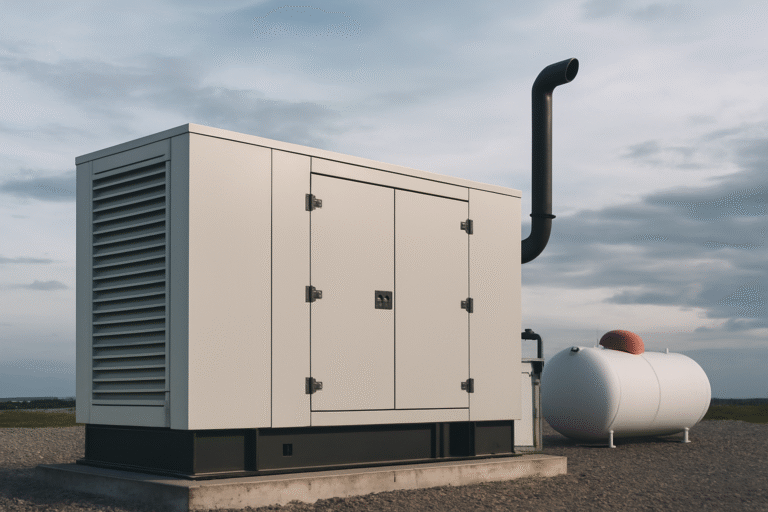
- Anyone with standby equipment. Backup generators, transfer switches and spare motors spend most of their lives sitting still. They face all the same risks, which is why a generator that starts on test day isn’t proof it will carry your load in a real outage.
Bringing It Back the Right Way
If your equipment has been sitting for months, don’t just flip the main breaker and hope. A careful restart usually looks like this:
- Walk the electrical rooms first. Look for moisture, corrosion, nests, chewed wiring and open cable entries.
- Warm and dry the equipment. The U.S. Department of Energy suggests pre-warming motors in humid environments for several hours or even days before startup to drive the moisture out.
- Test the insulation before you energize. An insulation resistance test shows whether moisture or damage has weakened it.
- Test breakers and protective devices. You want to know they’ll trip when they’re supposed to.
- Bring loads back gradually. Watch for heat and unusual noise. A motor’s first start after a long layup is its toughest moment, with inrush current running six to eight times its normal full-load current.
Schneider Electric’s own instructions are blunt on one point: if you see moisture or condensation in the equipment, don’t energize it.
Before your next shutdown
The most cost-effective fix happens before you close the doors. HSB suggests creating a lay-up plan while the equipment is still running. For stored motors, this includes keeping the area above the dew point, turning motor shafts at least every other month, testing the windings regularly, and checking for signs of pests. A few simple habits can make a big difference. Leave space heaters on, seal unused cable openings, and assign someone to do regular walk-throughs so the electrical room is checked often.
Where CES Comes In
CES supports facilities before and after a shutdown. Before closing, we help you decide what stays energized, protect your switchgear and motors from moisture, and seal off areas that attract pests. When it’s time to restart, we inspect, test, and recommission your electrical system step by step, so your first day back goes smoothly. If you’re bringing a facility back online, contact CES to discuss recommissioning your electrical system.
Sources:
- In the Field: Keeping Machines Dry
- MasterClad MV Switchgear instruction bulletin
- Power QED-2 switchboards safety precautions
- Facilities Instructions, Standards and Techniques Vol. 3-4
- Mothballing Plant and Equipment
- Life Extension: The Big Picture
- Seasonal Shutdowns: How to Protect Drives and Motors
- Magneblast Minutes
- Re-commissioning after a prolonged shutdown
- Motor Repair Tech Brief
- Cooling Tower Fan Motor Failures During Seasonal Startup
- Why Industrial Developers Are Turning to On-Site Energy