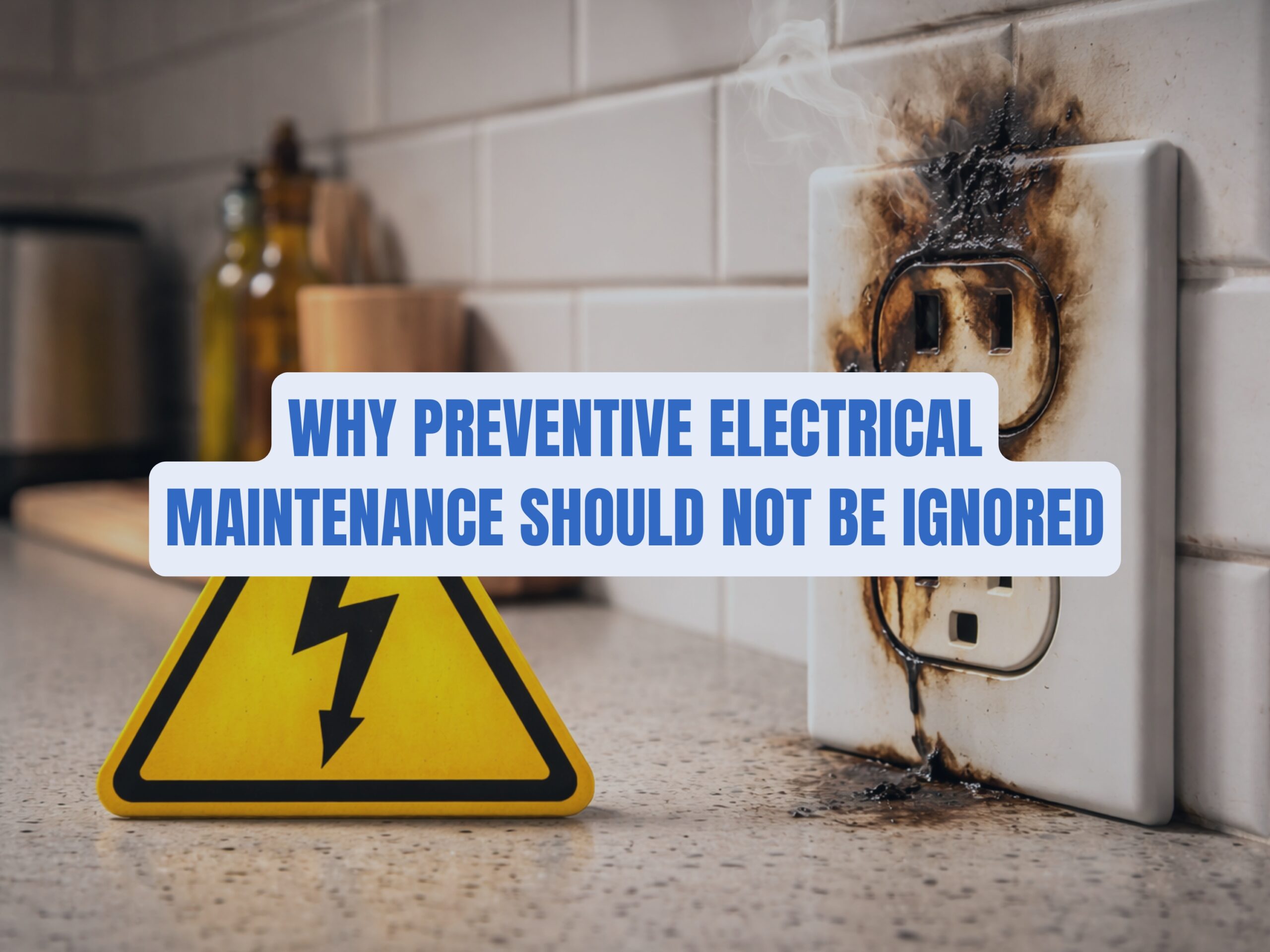
A lot of homeowners assume that if the lights come on and the outlets still work, everything must be fine. And honestly, that assumption makes sense. Most people are not opening up walls or checking electrical loads as part of their normal routine. If nothing feels obviously wrong, it is easy to believe the system is safe. The problem is that electrical issues do not always announce themselves early. A home can have loose connections behind the walls, worn-out outlets, overloaded circuits, or an aging panel that still appears to be “working.” In fact, some of the most serious electrical problems stay hidden until they turn into something expensive, dangerous, or both.
What Is Preventive Electrical Maintenance?
Preventive electrical maintenance is the process of inspecting, testing, and evaluating parts of your home’s electrical system before a visible problem shows up. Think of it like routine maintenance for a car. Most people understand that you do not wait for an engine to seize before changing the oil. The same idea applies to a home’s electrical system. Just because it is still running does not mean it is running safely. In a residential setting, preventive maintenance can include checking outlets and switches for signs of wear, inspecting the panel for overloaded circuits, evaluating whether the home’s current electrical load matches how the home is being used today, testing connections, and reviewing whether upgrades have been made over the years without properly reassessing system capacity.
For example, maybe a homeowner bought a small starter home years ago. Since then, they finished the basement, added a home office, upgraded the kitchen appliances, installed a second HVAC unit, and now charge an electric vehicle in the garage. The home may still “work,” but the electrical demand may be very different from what the original system was designed to handle. Preventive maintenance helps uncover that mismatch before it creates a problem.
Reasons for Preventive Maintenance
- Homes change over time: A home’s electrical system is usually designed around the needs of the house at the time it was built or last upgraded. But over the years, a lot can change. Homeowners add square footage, remodel kitchens, convert garages, finish basements, install bigger HVAC systems, or create home offices filled with electronics. All of that adds more demand to the electrical system. The problem is that the wiring, panel, and circuits are not always reassessed when those changes happen. For example, a family may add a new room and extra appliances and assume the home can handle it just because everything still turns on. But behind the scenes, the system may now be under more strain than it was originally designed for.
- Electrical components age: Outlets, switches, breakers, and electrical connections do not stay in perfect condition forever. Over time, everyday use, heat, and wear can weaken these components. An outlet that is 15 to 20 years old may still technically work, but the internal parts may be loose, worn, or damaged. That wear can lead to overheating, buzzing, discoloration, or plugs that do not fit securely anymore. In some cases, there may be no obvious warning sign at all.
- Hidden arcing can happen behind the walls: One of the biggest dangers in a home is that some electrical problems happen out of sight. Arcing occurs when electricity jumps across a gap instead of traveling through a secure connection. This can happen because of loose wiring, damaged insulation, or deteriorating connections. Since it often happens behind walls or inside outlets, homeowners may have no idea it is happening. A homeowner may continue using the same outlet every day without realizing that a loose connection behind it is creating a fire hazard.
- Modern homes use more power than they used to: The average home today uses far more electricity than homes did years ago. Older homes were not built with today’s power demands in mind. Now it is common to have multiple televisions, computers, gaming systems, smart home devices, security systems, large kitchen appliances, tankless water heaters, EV chargers, and more running in the same home. Even if each upgrade seems small by itself, together they can create a much heavier electrical load. Preventive maintenance helps make sure the home’s system is keeping up with the way the household actually lives today.
- Small warning signs can point to bigger safety risks: A lot of homeowners ignore early warning signs because the problem does not seem urgent yet. A breaker trips once in a while. An outlet feels a little warm. Lights flicker occasionally. A switch makes a faint buzzing sound. These things may seem minor, but they can be signs of overloaded circuits, loose connections, or failing components. Preventive maintenance helps catch these smaller issues before they turn into bigger and more dangerous problems, such as burnt outlets, damaged wiring, or even electrical fires.
The Cost of Not Being Preventive
- Small issues become expensive repairs: When electrical problems are ignored, they rarely stay small. What could have been handled during a routine inspection can turn into a more urgent and more expensive repair later. A loose connection, a worn outlet, or an overloaded circuit may not seem like a major problem at first, but once it fails, the repair often becomes more disruptive. Instead of a simple fix, the homeowner may now be paying for troubleshooting, replacement work, and possible wall or ceiling repairs if the issue spreads beyond the original point.
- Unexpected outages disrupt daily life: When part of a home suddenly loses power, it affects more than convenience. It can interrupt work, family routines, cooking, heating, cooling, and the normal function of the home. For example, if a circuit fails in the kitchen, a homeowner may be left without key appliances right when they need them most. If the issue affects a home office, it can interrupt remote work and create additional stress. Being preventive helps reduce the chances of those surprise interruptions.
- Appliances and electronics can suffer damage: An unhealthy electrical system does not just affect wiring. It can also affect the things connected to it. Fluctuating power, overloaded circuits, or poor connections can place strain on expensive appliances and electronics over time. Refrigerators, HVAC systems, washers and dryers, televisions, and computers all rely on steady and reliable power. When the electrical system is not operating properly, those items may wear out faster or fail earlier than expected, and homeowners may not immediately realize the root problem started with the home’s electrical system.
- Renovation costs can increase later: When homeowners renovate without checking whether the electrical system can support the new setup, they may end up paying more later to correct it. A project may look finished on the surface, but if the panel is undersized, the circuits are overloaded, or the added equipment was not properly accounted for, the homeowner may need additional electrical work after the renovation is complete. That often means reopening finished areas, adjusting work that was already done, and spending more than they would have if the system had been evaluated early in the process.
- Safety risks become harder to ignore: One of the biggest costs of waiting too long is that the issue may have to become visible before it gets addressed. By that point, the warning signs are often more serious. A burnt outlet, a persistent hot switch, a smell of something overheating, or repeated breaker trips are not just annoyances. They are signs that the system may already be under unsafe stress. At that stage, the homeowner is no longer just dealing with maintenance. They are dealing with a situation that may already pose a risk to the home and the people inside it.
- Stress and uncertainty increase: There is also a peace-of-mind cost that people do not always think about. Once a homeowner notices something is wrong, it can create ongoing anxiety. Every flicker starts to feel suspicious. Every unusual smell becomes a concern. Even using certain outlets or appliances can start to feel uncertain. Preventive maintenance helps avoid that cycle by giving homeowners more confidence in the safety and condition of their system before a visible problem forces their attention.
Practical Steps You Can Take Today to Be Preventive
The good news is that homeowners do not need to wait for a major warning sign to start being more proactive.
- Once a month, check all your outlets and switches: Take a few minutes each month to do a simple visual and touch check around the house. Look for outlets or switches that are discolored, cracked, loose, or warm to the touch. Pay attention to any cover plates that look burnt or stained. If a plug slips out too easily or a switch feels unstable, that can be a sign of wear. For example, an outlet in the kitchen that still works but feels warm after using a toaster or air fryer should not be ignored.
- Pay attention to flickering lights and tripped breakers: If lights flicker when the microwave starts, the AC kicks on, or someone plugs in a space heater, your home may be showing signs of electrical strain. The same goes for breakers that trip more often than they should. It may seem like a minor annoyance, but those patterns often point to overloaded circuits or deeper issues that need attention. Keeping track of when and where these things happen can help identify problem areas early.
- Test outlets in high-use areas regularly: Some parts of the house work harder than others. Kitchens, bathrooms, laundry rooms, garages, and outdoor outlets tend to get more use and more wear. Make a habit of checking those areas regularly because they often show problems first. If an outlet is buzzing, not holding a plug properly, or only works sometimes, it is worth having it looked at before it becomes a bigger issue.
- Take inventory any time you add something that uses a lot of power: Every time you add a major appliance or new piece of equipment, stop and think about what that means for your home’s electrical system. A new freezer in the garage, a second refrigerator, a hot tub, an EV charger, a tankless water heater, or even a home office with multiple devices can all add more load. Just because the item turns on does not automatically mean the circuit is handling it well. This is especially important in older homes.
- Reevaluate your electrical system after renovations or added square footage: If you finish a basement, build an addition, enclose a patio, or convert a garage into livable space, your electrical demand has changed. That is a good time to ask whether the panel and circuits were properly reevaluated too. For example, turning a garage into a guest suite may add lighting, outlets, climate control, and appliances, all of which increase demand. Preventive maintenance means not assuming the original setup is still enough.
- Schedule a professional inspection before there is a problem: One of the best preventive steps a homeowner can take is to have a licensed electrician inspect the system before anything goes wrong. This is especially smart if the home is older, if you have added major equipment, or if you are noticing subtle warning signs. A professional can identify issues a homeowner cannot see, like overloaded circuits, loose connections, worn components, or signs of arcing behind the wall.
- Keep the goal in mind: safe, not just functional: A lot of homeowners use one standard to judge their electrical system: does it still work? But preventive maintenance means asking a better question: is it still safe? That shift matters. A system can still power the lights and appliances while quietly developing problems behind the scenes. The goal is not to wait until something fails. The goal is to catch issues while they are still easier, safer, and less expensive to address.
Preventive Equipment That Can Help Protect Your Home
Preventive maintenance is not only about inspections and repairs. In some homes, the right protective equipment can add another layer of safety by helping reduce the risk of electrical damage, fire hazards, and shock hazards. These devices do not replace regular maintenance or professional inspections, but they can help support a safer and more up-to-date electrical system, especially in older homes or homes with increased power demands.
- Whole-home surge protectors: A whole-home surge protector helps protect your electrical system, appliances, and electronics from voltage spikes. Those spikes can come from lightning, utility issues, or even large equipment inside the home cycling on and off. Whole-home surge protective devices can protect the home, while plug-in strips only protect the items connected to them.
- AFCI protection: Arc-fault circuit interrupters, or AFCIs, are especially helpful when the concern is hidden electrical trouble behind the walls. They are designed to help address fire hazards caused by unsafe arcing and sparking in home wiring. If a home has older wiring or has not been updated in years, AFCI protection can be an important preventive upgrade to discuss.
- GFCI outlets or breakers: Ground-fault circuit interrupters, or GFCIs, help protect people from serious electrical shock. They are especially important in areas where water and electricity are more likely to meet, such as kitchens, bathrooms, garages, laundry spaces, unfinished basements, and outdoor areas. So while they do not solve every electrical issue, they are a smart preventive device because they add safety in some of the highest-risk parts of the home.
- Combination AFCI/GFCI protection: In some situations, homeowners may benefit from combination devices that provide both arc-fault and ground-fault protection. That means one device can help address certain fire risks and certain shock risks at the same time, depending on the location and the setup. This can be especially useful when a homeowner is updating parts of the electrical system and wants a more complete safety approach rather than treating each risk separately.
- Interconnected smoke alarms: Smoke alarms are not part of the electrical distribution system the way breakers and outlets are, but they are still an important part of electrical fire prevention. If an electrical issue does turn into overheating or fire, early warning matters. Interconnected smoke alarms increase safety because when one alarm sounds, all the alarms in the home sound.
- Updated breakers and panel protection: Sometimes, the preventive equipment a home needs is not something new. It may simply be updated breakers, proper overcurrent protection, or replacing outdated panel components with modern protective devices. This matters most in older homes or homes that have added major loads over time.
- Plug-in surge protectors for sensitive electronics: These are not a substitute for whole-home surge protection, but they can still be useful for individual electronics like computers, televisions, gaming systems, and office equipment. If a homeowner has expensive electronics, plug-in surge protectors can still play a supporting role, even though they are not the same as protecting the whole home
Conclusion
Preventive electrical maintenance is really about staying ahead of problems that most homeowners cannot see on their own. It is about recognizing that homes evolve, power demands grow, and electrical systems age, even when the signs are not obvious. A house can appear completely normal on the surface while hiding overloaded circuits, worn outlets, loose connections, or arcing behind the wall. That is why waiting until something fails is not the best strategy. By the time a problem becomes visible, the repair is often more urgent, more disruptive, and more expensive than it needed to be.
If your home has been expanded, upgraded, or simply has an older electrical system, now is a good time to stop assuming and start checking. Conveyor Electrical Services helps homeowners identify hidden electrical risks before they become serious problems. Whether you need a professional inspection, want to evaluate your home’s electrical load after upgrades, or need help addressing aging outlets and worn components, our team is here to help.
Reach out to Conveyor Electrical Services today to schedule an evaluation and make sure your home is not just working, but working safely.